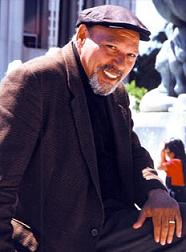
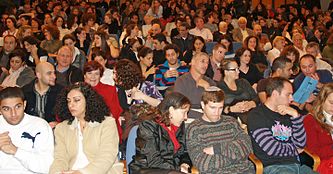
I think it was the ability of the theater to communicate ideas and extol virtues that drew me to it. And also I was, and remain, fascinated by the idea of an audience as a community of people who gather willingly to bear witness. A novelist writes a novel and people read it. But reading is a solitary act. While it may elicit a varied and personal response, the communal nature of the audience is like having five hundred people read your novel and respond to it at the same time. I find that thrilling.
What It Means
This is a placeholder explanation generated by the low-overhead model. It interprets "I think it was the ability of the theater to communicate ideas and extol virtues that drew me to it. And also I was, and remain, fascinated by the idea of an audience as a community of people who gather willingly to bear witness. A novelist writes a novel and people read it. But reading is a solitary act. While it may elicit a varied and personal response, the communal nature of the audience is like having five hundred people read your novel and respond to it at the same time. I find that thrilling." in the context of "On what attracted him to theater in “August Wilson, The Art of Theater No. 14” in The Paris Review (Winter 1999)" to mean that wisdom is timeless.
Tags