H. G. Wells on Ashoka
← Back to Ashoka Profile
“Asoka (264 to 227 B.C.), one of the great monarchs of history, whose dominions extended from Afghanistan to Madras... is the only military monarch on record who abandoned warfare after victory. He had invaded Kalinga (255 B.C.), a country along the east coast of Madras, perhaps with some intention of completing the conquest of the tip of the Indian peninsula. The expedition was successful, but he was disgusted by what be saw of the cruelties and horrors of war. He declared, in certain inscriptions that still exist, that he would no longer seek conquest by war, but by religion, and the rest of his life was devoted to the spreading of Buddhism throughout the world. He seems to have ruled his vast empire in peace and with great ability. He was no mere religious fanatic.”
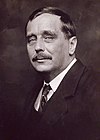
“For eight and twenty years Asoka worked sanely for the real needs of men. Amidst the tens of thousands of names of monarchs that crowd the columns of history, their majesties and graciousnesses and serenities and royal highnesses and the like, the name of Asoka shines, and shines, almost alone, a star. From the Volga to Japan his name is still honoured. China, Tibet, and even India, though it has left his doctrine, preserve the tradition of his greatness. More living men cherish his memory to-day than have ever heard the names of Constantine or Charlemagne.”
“In the history of the world there have been thousands of kings and emperors who called themselves "their highnesses," "their majesties," and "their exalted majesties" and so on. They shone for a brief moment, and as quickly disappeared. But Ashoka shines and shines brightly like a bright star, even unto this day.”