The art of concluding from experience and observation consists in evaluating probabilities, in estimating if they are high or numerous enough to constitute proof. This type of calculation is more complicated and more difficult than one might think. It demands a great sagacity generally above the power of common people. The success of charlatans, sorcerors, and alchemists—and all those who abuse public credulity—is founded on errors in this type of calculation.
What It Means
This is a placeholder explanation generated by the low-overhead model. It interprets "The art of concluding from experience and observation consists in evaluating probabilities, in estimating if they are high or numerous enough to constitute proof. This type of calculation is more complicated and more difficult than one might think. It demands a great sagacity generally above the power of common people. The success of charlatans, sorcerors, and alchemists—and all those who abuse public credulity—is founded on errors in this type of calculation." in the context of "Antoine Lavoisier and Benjamin Franklin, Rapport des commissaires chargés par le roi de l'examen du magnétisme animal (Imprimerie royale, 1784), trans. Stephen Jay Gould, "The Chain of Reason versus the Chain of Thumbs", Bully for Brontosaurus (W.W. Norton, 1991), p. 195" to mean that wisdom is timeless.
Tags
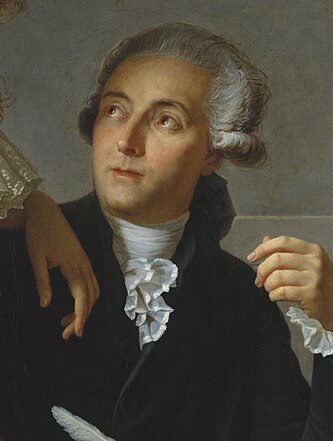
About Antoine Lavoisier