So would I, if I were Parmenion.
So should I, if I were Parmenion.
So should I, if I were Parmenion: but as I am Alexander, I cannot.
I would do it if I was Parmenion, but I am Alexander.
If I were Parmenion, that is what I would do. But I am Alexander and so will answer in another way.
So would I, if I were Parmenion, but I am Alexander, so I will send Darius a different answer.
If I were Perdicas, I shall not fail to tell you, I would have endorsed this arrangement at once, but I am Alexander, and I shall not do it. (as quoted from medieval French romances in The Medieval French Alexander (2002) by Donald Maddox and Sara Sturm-Maddox, p. 81)
So would I, if I were Parmenion.
• As quoted in Lives by Plutarch, after Parmenion suggested to him after the Battle of Issus that he should accept Darius III of Persia's offer of an alliance, the hand of his daughter in marriage, and all Minor Asia, saying "If I were Alexander, I would accept the terms" (Variant translation: I would accept it if I were Alexander).
What It Means
This is a placeholder explanation generated by the low-overhead model. It interprets "So would I, if I were Parmenion.
• As quoted in Lives by Plutarch, after Parmenion suggested to him after the Battle of Issus that he should accept Darius III of Persia's offer of an alliance, the hand of his daughter in marriage, and all Minor Asia, saying "If I were Alexander, I would accept the terms" (Variant translation: I would accept it if I were Alexander)." in the context of "Variants: I too, if I were Parmenion. But I am Alexander.
So would I, if I were Parmenion.
So should I, if I were Parmenion.
So should I, if I were Parmenion: but as I am Alexander, I cannot.
I would do it if I was Parmenion, but I am Alexander.
If I were Parmenion, that is what I would do. But I am Alexander and so will answer in another way.
So would I, if I were Parmenion, but I am Alexander, so I will send Darius a different answer.
If I were Perdicas, I shall not fail to tell you, I would have endorsed this arrangement at once, but I am Alexander, and I shall not do it. (as quoted from medieval French romances in The Medieval French Alexander (2002) by Donald Maddox and Sara Sturm-Maddox, p. 81)" to mean that wisdom is timeless.
Tags
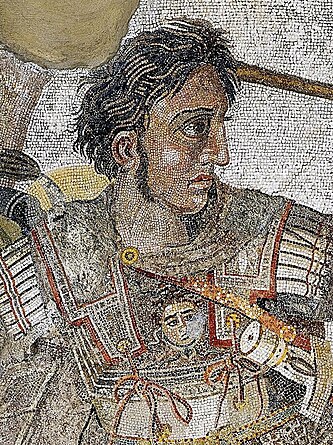
About Alexander the Great