• Augustine of Hippo, The City of God, Book IV, Ch. 4
Remota itaque iustitia quid sunt regna nisi magna latrocinia? [...] Eleganter enim et ueraciter Alexandro illi Magno quidam comprehensus pirata respondit. Nam cum idem rex hominem interrogaret, quid ei uideretur, ut mare haberet infestum, ille libera contumacia: Quod tibi, inquit, ut orbem terrarum; sed quia ego exiguo nauigio facio, latro uocor; quia tu magna classe, imperator.
What It Means
This is a placeholder explanation generated by the low-overhead model. It interprets "Remota itaque iustitia quid sunt regna nisi magna latrocinia? [...] Eleganter enim et ueraciter Alexandro illi Magno quidam comprehensus pirata respondit. Nam cum idem rex hominem interrogaret, quid ei uideretur, ut mare haberet infestum, ille libera contumacia: Quod tibi, inquit, ut orbem terrarum; sed quia ego exiguo nauigio facio, latro uocor; quia tu magna classe, imperator." in the context of "Justice being taken away, then, what are kingdoms but great robberies? ... Indeed, that was an apt and true reply which was given to Alexander the Great by a pirate who had been seized. For when that king had asked the man what he meant by keeping hostile possession of the sea, he answered with bold pride, "What thou meanest by seizing the whole earth; but because I do it with a petty ship, I am called a robber, whilst thou who dost it with a great fleet art styled emperor."
• Augustine of Hippo, The City of God, Book IV, Ch. 4" to mean that wisdom is timeless.
Tags
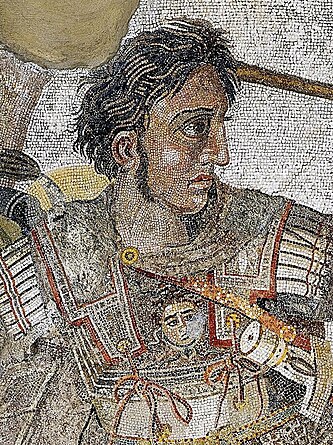
About Alexander the Great