[In Gleizes' paintings of the crucial year 1910] we see the artist's volumetric approach to Cubism and his successful union of a broad field of vision with a flat picture plane. [...] The effort to grasp the intricate rhythms of a panorama resulted in a comprehensive geometry of intersecting and overlapping forms which created a new and more dynamic quality of movement.
What It Means
This is a placeholder explanation generated by the low-overhead model. It interprets "[In Gleizes' paintings of the crucial year 1910] we see the artist's volumetric approach to Cubism and his successful union of a broad field of vision with a flat picture plane. [...] The effort to grasp the intricate rhythms of a panorama resulted in a comprehensive geometry of intersecting and overlapping forms which created a new and more dynamic quality of movement." in the context of "Quote of Daniel Robbins, in Albert Gleizes 1881 – 1953, A Retrospective Exhibition, published by The Solomon R. Guggenheim Foundation, New York, 1964 - in collaboration with Musée National d'Art Moderne, Paris & Museum am Ostwall, Dortmund" to mean that wisdom is timeless.
Tags
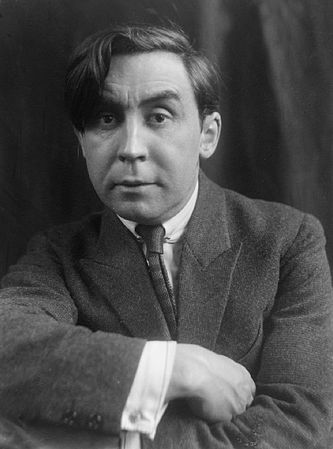
About Albert Gleizes