Adrienne Rich on Charlotte Brontë
← Back to Adrienne Rich Profile
“Like Thackeray's daughters, I read Jane Eyre in childhood, carried away "as by a whirlwind." Returning to Charlotte Brontë's most famous novel, as I did over and over in adolescence, in my twenties, thirties, now in my forties, I have never lost the sense that it contains, through and beyond the force of its creator's imagination, some nourishment I needed then and still need today.”
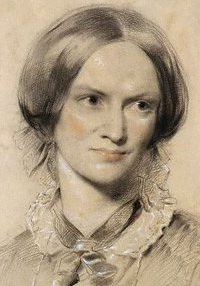
“At all events, except for her writings on her mother, Colette is a less reliable source on the lesbian continuum than, I would think, Charlotte Brontë, who understood that while women may, indeed must, be one another's allies, mentors, and comforters in the female struggle for survival, there is quite extraneous delight in each other's company and attraction to each others' minds and character, which attend a recognition of each others' strengths.”
“Comparing Jane Eyre to Wuthering Heights, as people tend to do, Virginia Woolf had this to say: "The drawbacks of being Jane Eyre are not far to seek. Always to be a governess and always to be in love is a serious limitation in a world which is full, after all, of people who are neither one nor the other.... [Charlotte Brontë] does not attempt to solve the problems of human life; she is even unaware that such problems exist; all her force, which is the more tremendous for being constricted, goes into the assertion, "I love," "I hate," "I suffer"...She goes on to state that Emily Brontë is a greater poet than Charlotte because "there is no 'I' in Wuthering Heights. There are no governesses. There are no employers. There is love, but not the love of men and women." In short, and here I would agree with her, Wuthering Heights is mythic.”