Circumstances have been such, that I have lived almost entirely secluded for some time. Those who are much in earnest and with single minds devoted to any great object in life, must find this occasionally inevitable.... You will wonder at having heard nothing from me; but you have experience and candour enough to perceive and know that God has not given to us (in this state of existence) more than very limited powers of expression of one's ideas and feelings... I shall be very desirous of again seeing you. You know what that means from me, and that it is no form, but the simple expression and result of the respect and attraction I feel for a mind that ventures to read direct in God's own book, and not merely thro' man's translation of that same vast and mighty work.
What It Means
This is a placeholder explanation generated by the low-overhead model. It interprets "Circumstances have been such, that I have lived almost entirely secluded for some time. Those who are much in earnest and with single minds devoted to any great object in life, must find this occasionally inevitable.... You will wonder at having heard nothing from me; but you have experience and candour enough to perceive and know that God has not given to us (in this state of existence) more than very limited powers of expression of one's ideas and feelings... I shall be very desirous of again seeing you. You know what that means from me, and that it is no form, but the simple expression and result of the respect and attraction I feel for a mind that ventures to read direct in God's own book, and not merely thro' man's translation of that same vast and mighty work." in the context of "In a letter to Andrew Crosse, as quoted in Eugen Kölbing's Englische Studien, Volume 19 (1894), Leipzig; O.R. Reisland, "Byron's Daughter", p. 157." to mean that wisdom is timeless.
Tags
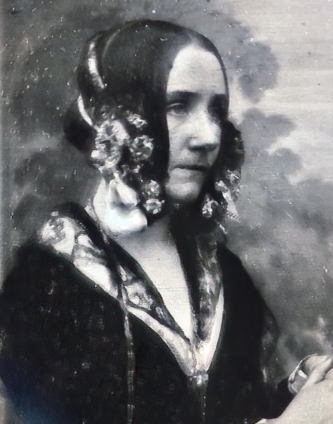
About Ada Lovelace