Abraham Davenport, in response to a call for adjourning the Connecticut State Council because of fears that New England's Dark Day might be a sign that the Last Judgment was approaching, as quoted by Timothy Dwight, in Connecticut Historical Collectons 2d ed (1836) compiled by John Warner Barber, p. 403.
“
I am against an adjournment. The day of judgment is either approaching, or it is not. If it is not, there is no cause of an adjournment: if it is, I choose to be found doing my duty. I wish therefore that candles may be brought.
— Abraham Davenport on Candles
What It Means
This is a placeholder explanation generated by the low-overhead model. It interprets "I am against an adjournment. The day of judgment is either approaching, or it is not. If it is not, there is no cause of an adjournment: if it is, I choose to be found doing my duty. I wish therefore that candles may be brought." in the context of "Abraham Davenport, in response to a call for adjourning the Connecticut State Council because of fears that New England's Dark Day might be a sign that the Last Judgment was approaching, as quoted by Timothy Dwight, in Connecticut Historical Collectons 2d ed (1836) compiled by John Warner Barber, p. 403." to mean that wisdom is timeless.

Source: Wikiquote: "Candles" (Quotes: Alphabetized by author )
The 'What it means' explanation text was generated by Google Gemini Flash (accessed January 18, 2026). https://gemini.google.com/app
Tags
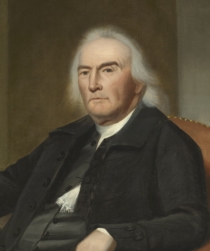
About Abraham Davenport
Abraham Davenport (1715 – 20 November 1789) was an American politician who served in the Connecticut legislature during the American Revolution, and as a Colonel, in the Connecticut State Militia. He is famous for his response to New England's Dark Day, which many feared was a sign that the Last Judgment was approaching.
View all quotes →