In the new Code of Laws which I suppose it will be necessary for you to make I desire you would Remember the Ladies, and be more generous and favourable to them than your ancestors. Do not put such unlimited power into the hands of the Husbands. Remember all Men would be tyrants if they could. If particular care and attention is not paid to the Ladies we are determined to foment a Rebellion, and will not hold ourselves bound by any Laws in which we have no voice, or Representation.
What It Means
This is a placeholder explanation generated by the low-overhead model. It interprets "In the new Code of Laws which I suppose it will be necessary for you to make I desire you would Remember the Ladies, and be more generous and favourable to them than your ancestors. Do not put such unlimited power into the hands of the Husbands. Remember all Men would be tyrants if they could. If particular care and attention is not paid to the Ladies we are determined to foment a Rebellion, and will not hold ourselves bound by any Laws in which we have no voice, or Representation." in the context of "Abigail Adams, in a letter to John Adams (31 March 1776), published in Familiar Letters of John Adams and his wife Abigail Adams (1875) edited by Charles Francis Adams, p. 147" to mean that wisdom is timeless.

Tags
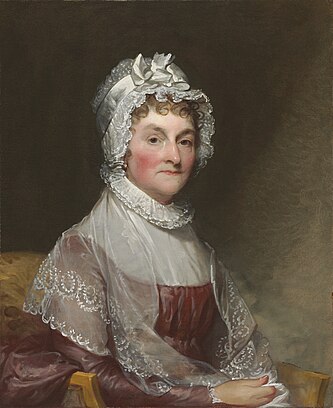
About Abigail Adams