Why were we so indifferent? Why, as a lady once said to me, five-eighths of us were so busy glorifying in our own freedom — . . . and we thought we were indeed free. But when, under the authority of Jehovah, the Moses of America said, “Let the people go!” — when the sound reverberated from the Atlantic to the Rocky Mountains, and from Maine to Mexico, “let the people go, that they may serve him!” Then, those whose hearts beat with answering sympathy, those whose hearts were poured forth in unison with his who raised that cry — they found to what they freedom amounted. I need not tell this society what was its amount. You were free to be mobbed — free to be slandered and misrepresented to any amount — free to be driven from your own place of meeting by five thousand of the most respectable and gentlemanly of your friends, called together by public advertisement for the express purpose. Our country saw then, what their liberty amounted to: liberty to speak what slavery should dictate. Men were awakened, then, to a realizing sense of their freedom. Free were they? Yes, free to the tar-cauldron and the feather-bag! Free to have a bonfire made of their furniture before their own doors in the open street! Free to be whipped and imprisoned! Free to be shot down! A great freedom, indeed, was this! Who could have believed it? Ten years ago, I would have spurned the man who should have predicted it.
What It Means
This is a placeholder explanation generated by the low-overhead model. It interprets "Why were we so indifferent? Why, as a lady once said to me, five-eighths of us were so busy glorifying in our own freedom — . . . and we thought we were indeed free. But when, under the authority of Jehovah, the Moses of America said, “Let the people go!” — when the sound reverberated from the Atlantic to the Rocky Mountains, and from Maine to Mexico, “let the people go, that they may serve him!” Then, those whose hearts beat with answering sympathy, those whose hearts were poured forth in unison with his who raised that cry — they found to what they freedom amounted. I need not tell this society what was its amount. You were free to be mobbed — free to be slandered and misrepresented to any amount — free to be driven from your own place of meeting by five thousand of the most respectable and gentlemanly of your friends, called together by public advertisement for the express purpose. Our country saw then, what their liberty amounted to: liberty to speak what slavery should dictate. Men were awakened, then, to a realizing sense of their freedom. Free were they? Yes, free to the tar-cauldron and the feather-bag! Free to have a bonfire made of their furniture before their own doors in the open street! Free to be whipped and imprisoned! Free to be shot down! A great freedom, indeed, was this! Who could have believed it? Ten years ago, I would have spurned the man who should have predicted it." in the context of "" to mean that wisdom is timeless.
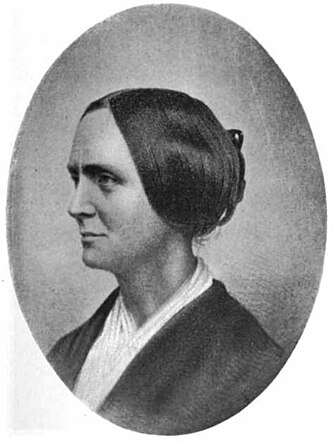
About Abby Kelley Foster